Curvo Studio

Electrical machine simulators

Electrical machines turn electrical energy into motion, and motion back into electricity. This group covers the three-phase induction motor, the single-phase induction motor and the wound-rotor induction motor, along with brushed DC, BLDC, PMSM, stepper and servo motors. You will also find the wound-field synchronous machine, the universal motor, synchronous and switched reluctance machines, the linear induction motor, the DC generator, the synchronous generator and the doubly-fed induction generator (DFIG). Each simulator pairs a 3D model with live torque, speed and current curves. Change the supply, the load or the winding data and see the operating point move. Start with the three-phase induction motor for the classic picture, or open the stepper to see how a motor moves one precise step at a time.

16 interactive models
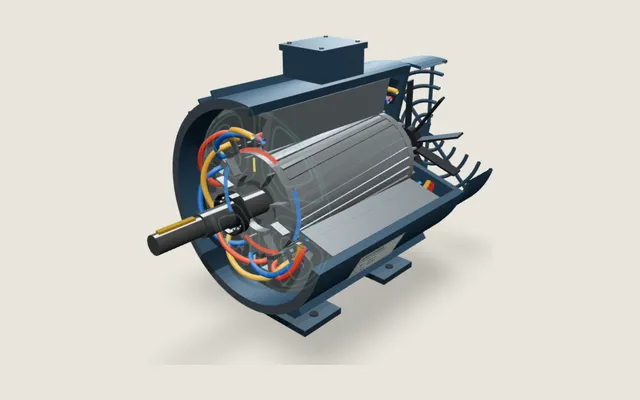
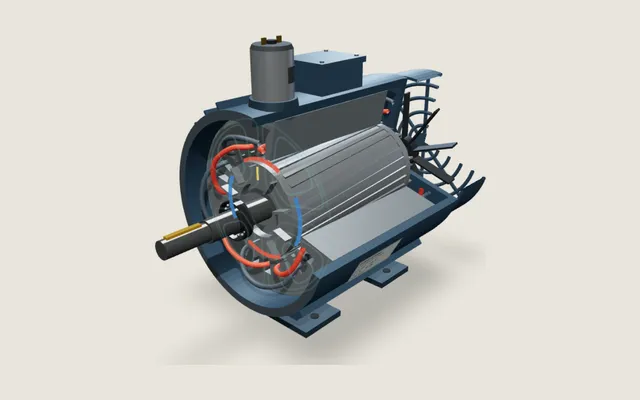
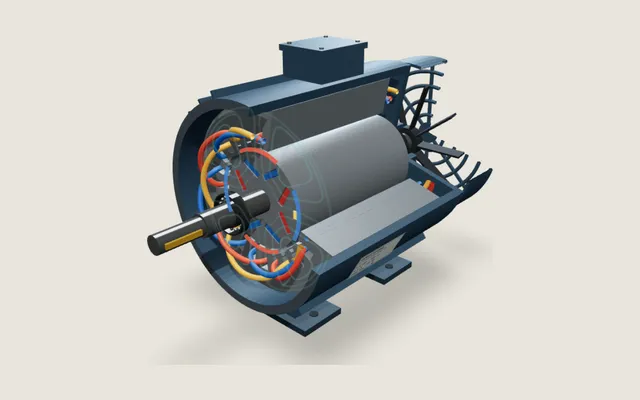
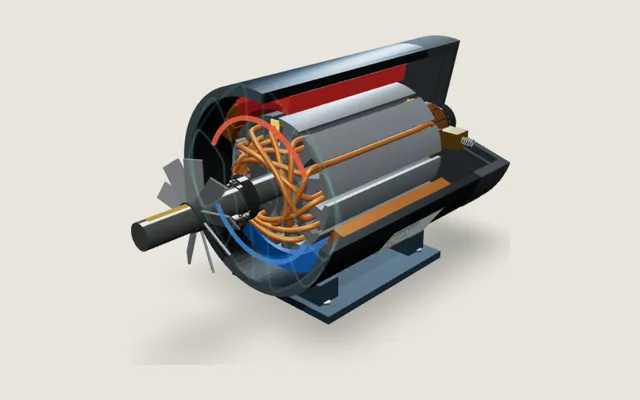
3-phase inductionExplore how a rotating magnetic field produces torque in a squirrel-cage rotor.Open simulator Single-phase inductionSee why a single winding cannot start a motor on its own — and how a second winding, a capacitor and a centrifugal switch give it a push.Open simulator
New
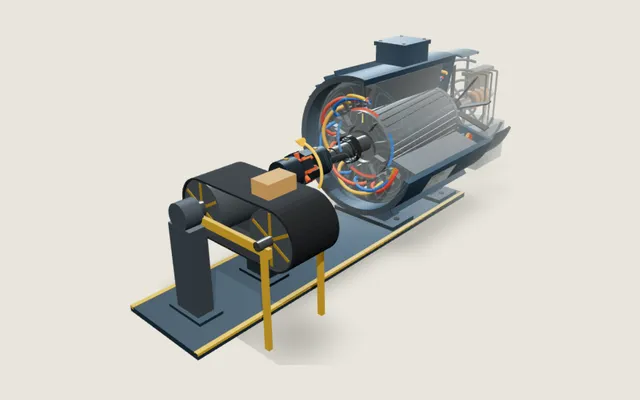
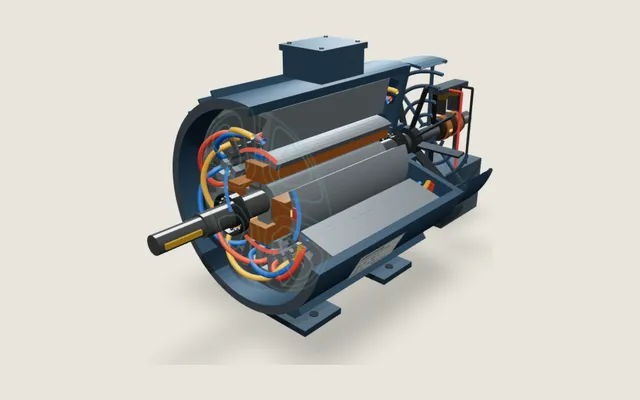
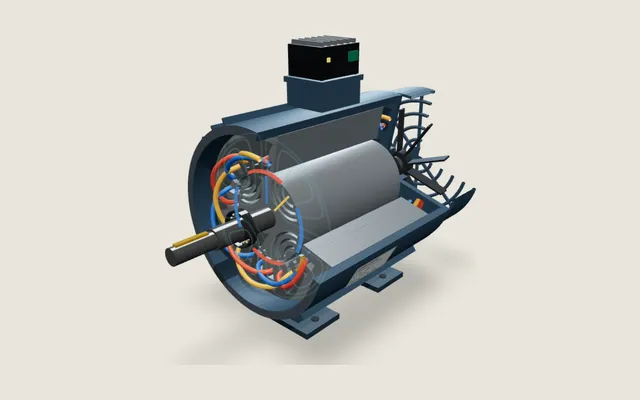
Wound-rotor inductionAdd resistance to the rotor through the slip rings and watch the torque–speed curve shift: higher starting torque, lower starting current, adjustable speed — paid for in slip power.Open simulator
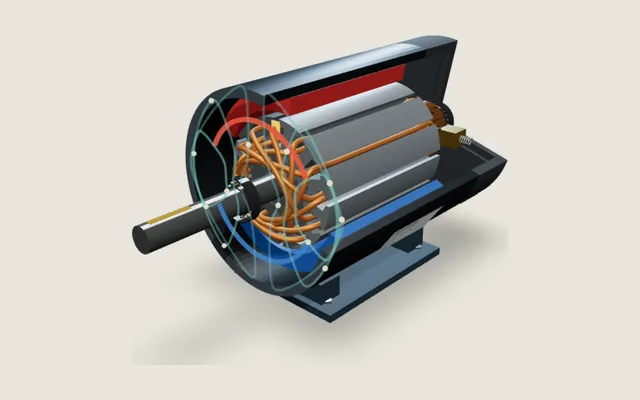
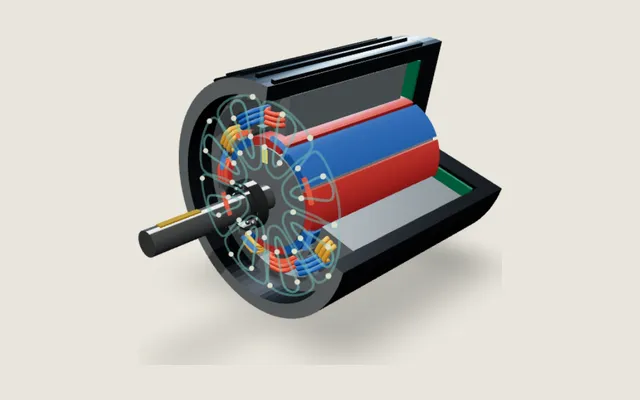
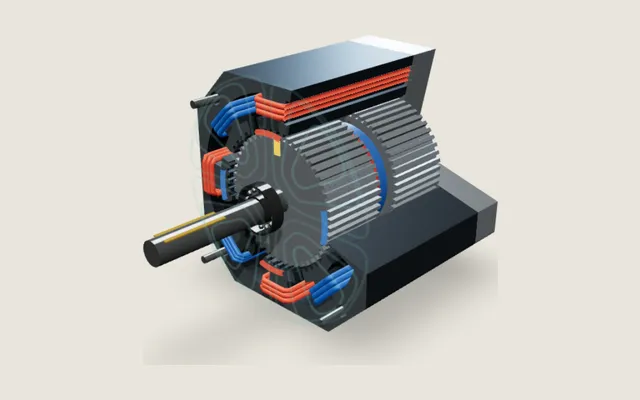
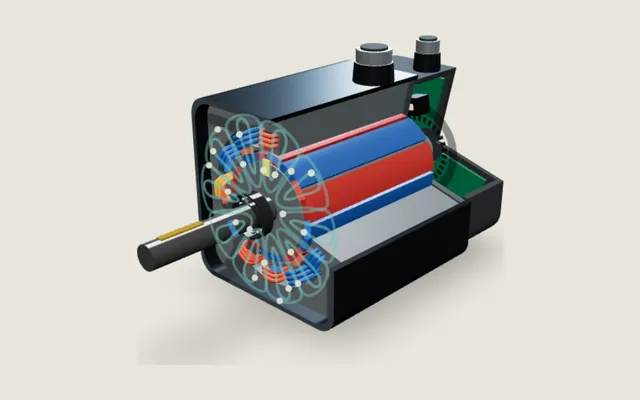
Brushed DCExplore how brushes and a commutator keep the armature torque rotating in one direction.Open simulator Brushless DCObserve how the inverter energizes three-phase stator windings in sequence to rotate a permanent-magnet rotor.Open simulator Synchronous (PMSM)See why a synchronous rotor locks exactly to the rotating field — and what happens when the load pulls it out of step.Open simulator StepperWatch the rotor advance one discrete step per pulse — and see what happens when the pulse rate outruns the available torque.Open simulator ServoSee how a closed loop holds the rotor on the commanded speed — and how the following error grows with speed until you raise the loop gain.Open simulator
New
Synchronous (wound-field)Turn the DC field current and watch the power factor swing from lagging through unity to leading — the motor that can also correct the grid. See the V curves, the load angle and the pull-out limit.Open simulator
New
Universal motorSwitch between AC and DC and watch a series motor keep turning the same way, because torque follows the square of the current. See the speed drop on AC, the runaway at no load and how a triac sets the speed.Open simulator
New
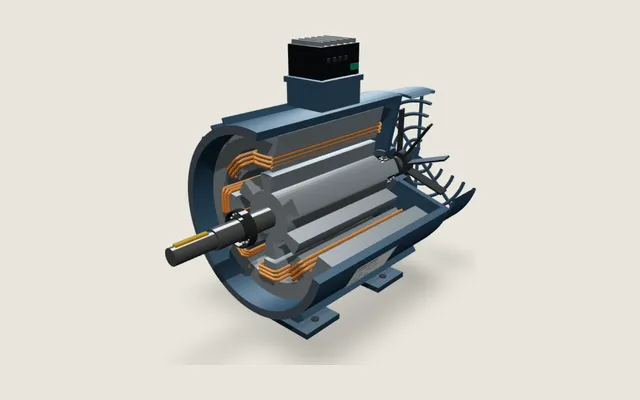
Synchronous reluctanceA rotor of plain laminations, cut by flux barriers, makes torque from saliency alone: no magnets and no windings. Change the saliency ratio, the current angle strategy and the speed to see MTPA, the power factor ceiling and field weakening.Open simulator
New
Switched reluctanceStator and rotor both have salient poles, and the rotor carries neither magnets nor windings. A converter energises one phase after another as a rotor pole approaches alignment. Move the turn-on and turn-off angles to see the current pulse, the torque ripple and the negative torque of a late turn-off.Open simulator
New
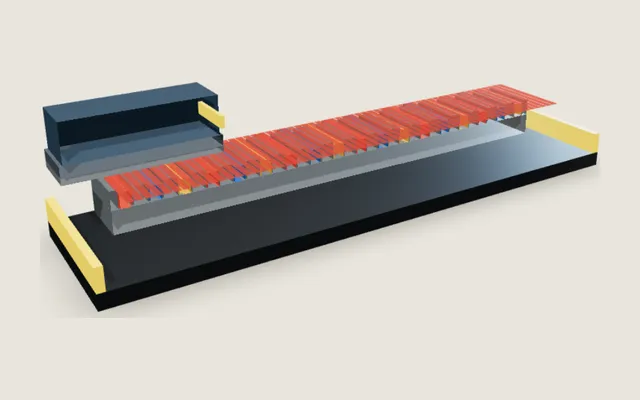
Linear inductionAn induction motor cut open and rolled flat. The stator makes a field that travels at 2·τ·f instead of rotating, and a conductive plate on back iron is dragged along with slip, giving thrust instead of torque. Change the air gap, the plate and the track to see the poor power factor, the end effect and a launch run.Open simulator
New
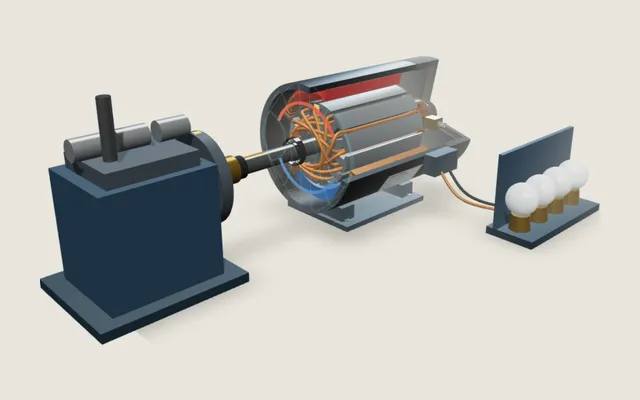
DC generatorA DC generator turns shaft power into direct-current power. Its EMF is E = k·Φ·ω, so it follows the speed and the field flux. Change the connection, the field rheostat, the speed and the lamp load to watch a shunt machine build up from residual magnetism, to find the critical resistance and speed beyond which it fails, and to compare the load characteristics and the voltage regulation.Open simulator
New
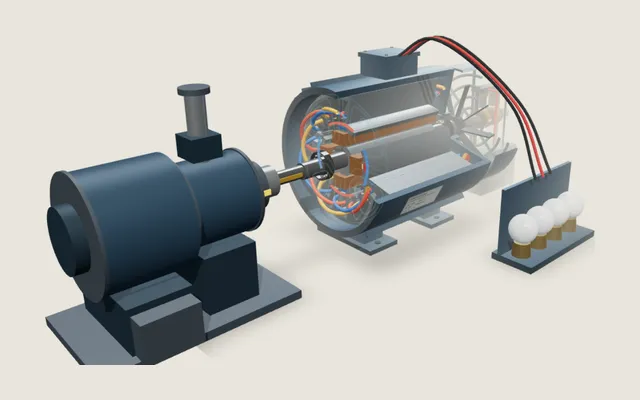
Synchronous generator (alternator)A turbine turns the salient-pole rotor while the DC field sets the EMF E_f = V + jXs·I. Run it islanded to see how load size and power factor move the voltage, or parallel it with the grid: the turbine sets P, the field sets Q, and the load angle shows how close you are to pole slipping.Open simulator
New
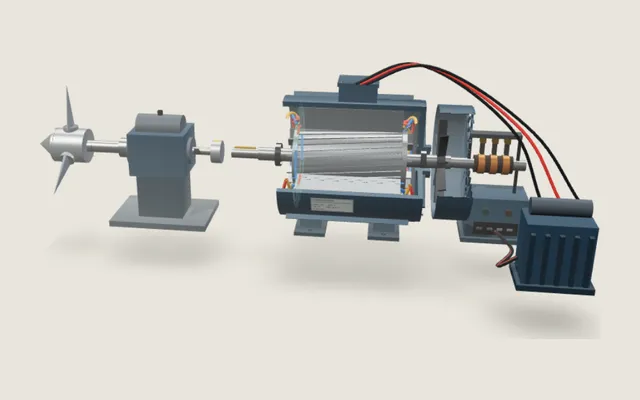
Doubly-fed induction generator (DFIG)A wind-turbine generator: the stator is tied to the grid while a back-to-back converter feeds the slip rings with only about a third of the power. See the speed follow the wind, the rotor power reverse at synchronous speed and the stator reactive power follow its set-point.Open simulator

Diagram symbol system: IEC 60617-inspired technical notation